
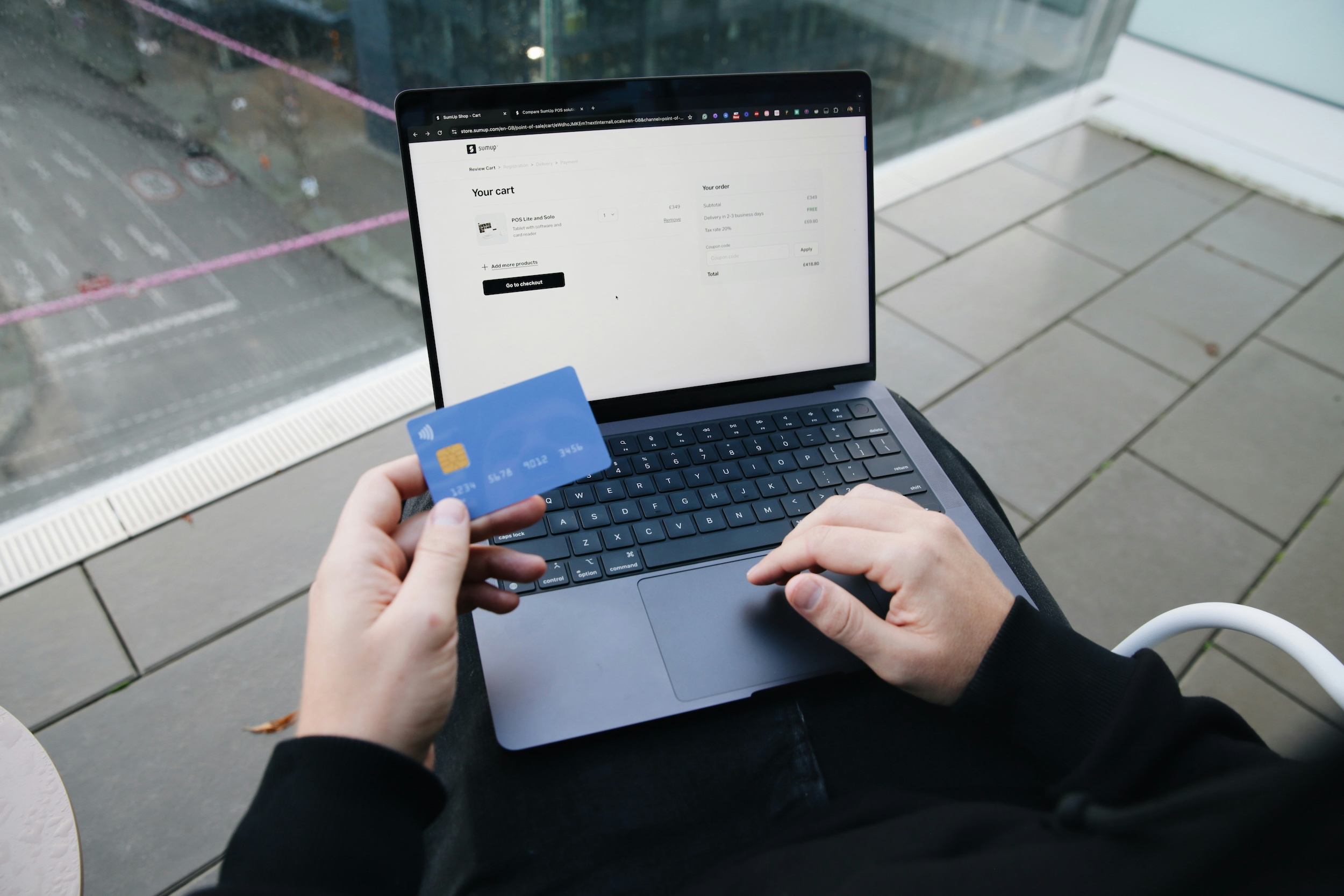
When setting up an online store, one of the most important decisions you’ll make is how customers can pay. The right payment setup can directly influence conversion rates, repeat purchases, and customer trust.
Online shoppers expect options. Some prefer the speed of Apple Pay, while others rely on their credit card or a buy now, pay later service. If your checkout only supports one or two methods, you could be missing out on sales from customers who simply choose to shop elsewhere.
This guide breaks down the most common online payment types, what to consider when offering multiple options, the fees involved, and how modern payment orchestration technology can help you accept any payment type through one central system.
1. Credit and Debit Cards
Credit and debit cards remain the most widely used form of online payment worldwide. Almost every online store supports card transactions, and for good reason. Customers are familiar with them, and the process feels simple and secure.
When a customer checks out using a card, the payment is processed through a payment gateway, which securely encrypts and transfers the information to the issuing bank for approval. The transaction is typically approved in seconds, and funds are transferred to the merchant’s account shortly after.
Things to consider:
- Transaction fees vary depending on the payment provider, typically ranging from 1% to 3% plus a small fixed amount per sale.
- Some cards attract higher fees, such as international or premium cards.
- Chargebacks can occur if a customer disputes a transaction, which adds cost and administration.
For most online businesses, accepting cards is essential, but combining them with newer payment methods can create a smoother checkout experience and appeal to a wider audience.
2. Digital Wallets
Digital wallets have rapidly grown in popularity, offering customers the convenience of one-tap payments without needing to re-enter card details. Wallets like Apple Pay, Google Pay, and PayPal store payment credentials securely, making them ideal for mobile users and fast checkout experiences.
These wallets are particularly effective at reducing cart abandonment rates. Because the process is faster and feels more secure, many customers complete their purchases rather than dropping off at the final step.
Popular digital wallets in Australia:
- Apple Pay – integrated with iPhone and Safari browsers.
- Google Pay – compatible with Android devices and Chrome browsers.
- PayPal – widely used, offering both consumer protection and merchant tools.
Why it matters for online stores:
- Shoppers increasingly expect wallet options, especially on mobile.
- Wallet payments can be processed faster and with lower fraud risk.
- Some wallets charge slightly higher merchant fees, so balancing cost against conversion benefits is key.
If your target audience often shops via mobile, digital wallets should be part of your core payment mix.
3. Buy Now, Pay Later (BNPL)
Buy Now, Pay Later services have transformed online shopping, particularly among younger consumers. Services like Afterpay, Zip, and Klarna allow customers to spread their payments over several weeks without interest, making it easier to commit to a purchase.
For retailers, BNPL can increase average order values and conversion rates. Customers are more likely to add an extra item or upgrade to a higher-priced product when they can pay in instalments.
Advantages for businesses:
- Drives higher sales volumes and order values.
- Offers customers greater flexibility.
- It can attract younger demographics who prefer instalment options.
Considerations:
- BNPL providers charge higher merchant fees (often 4–6%).
- Settlement can take slightly longer than card payments.
- Businesses must still manage returns and refunds within the BNPL framework.
Including BNPL can make sense if your products fall into discretionary or lifestyle categories, such as fashion, homewares, or technology, where flexible payment options influence purchasing decisions.
4. Recurring Payments and Subscriptions
If your business offers memberships, subscription boxes, or ongoing services, recurring payments can simplify revenue collection and customer retention. This setup automatically bills customers on a set schedule, reducing manual invoicing and ensuring consistent cash flow.
Venue Smart’s recurring payment solutions allow businesses to securely store customer payment details and process regular transactions automatically. This is ideal for gyms, clubs, and service-based businesses that rely on repeat billing.
Advantages:
- Consistent revenue stream.
- Reduced payment friction for loyal customers.
- Lower risk of missed payments or churn.
What to check:
- Ensure your gateway supports tokenised storage for security compliance.
- Offer customers clear communication and flexibility around cancellations.
Subscription billing continues to grow across all industries, and having a reliable recurring payment system in place helps create predictable income.
Why It’s Worth Offering Multiple Payment Options
Offering a variety of payment methods gives customers flexibility and reassurance. It reduces friction at checkout and makes your store more appealing to a wider range of shoppers.
When a business only offers one or two payment types, it risks losing sales from people who prefer a different option. For example, a customer who wants to use PayPal might abandon their cart if only credit cards are accepted.
A balanced approach usually works best: cards and wallets for everyday convenience, BNPL for flexibility, and direct bank or recurring payments for ongoing services.
Understanding Fees and What to Look Out For
Each payment method involves different costs. Knowing how these fees work helps you calculate margins and choose providers that align with your business model.
Common fee types include:
- Transaction fees: Usually a percentage of each sale, sometimes with a small fixed charge.
- Setup or monthly fees: Some gateways charge ongoing access fees or minimum volume requirements.
- Refund or chargeback costs: Applicable when a customer disputes or reverses a payment.
- Cross-border fees: Added costs for international transactions or currency conversions.
While lower fees can be appealing, the cheapest option is not always the best. Higher-fee payment types like BNPL or PayPal often lead to higher conversion rates, offsetting their cost. It’s about finding the balance between affordability and accessibility.
Before committing, review each provider’s full pricing breakdown and test different options to see what your customers use most frequently.
How to Accept Any Payment Type with Payment Orchestration
As online businesses grow, managing multiple payment systems can become complex. Each provider has its own dashboard, reporting tools, and settlement timelines, which makes reconciliation and troubleshooting time-consuming.
Payment orchestration technology connects multiple payment types and gateways into a single platform. It allows you to route transactions intelligently, improve approval rates, and view all payments in one central dashboard.
Venue Smart’s POP platform is designed to help businesses accept any payment type, from credit cards to digital wallets and recurring transactions, all managed in one place.
Benefits of orchestration include:
- Simplified management and reconciliation.
- Automatic routing to the most cost-efficient gateway.
- Reduced transaction failures and better customer experience.
- Scalable infrastructure as your store expands into new markets or currencies.
With orchestration, businesses gain the flexibility to adapt to customer preferences and integrate new payment types quickly, without rebuilding their entire checkout system.
Choosing the Right Mix for Your Business
Every business has different priorities, from transaction costs to customer demographics. The right combination of payment methods depends on what you sell and who your customers are.
Whether you’re launching your first online store or looking to expand your payment options, Venue Smart can help. Our Online Payment Gateway and payment orchestration platform make it easy to accept any payment type through a single, secure system.
Ready to create a smoother checkout experience and grow your business?
Book a demo today to see how Venue Smart can help your store accept every payment type with confidence.